Commercial Loading Dock Installation & Replacement Services
Mt. Zion Material Handling provides commercial loading dock installation and replacement services for new construction, facility expansions, equipment upgrades, and existing loading docks throughout Pennsylvania, New Jersey, New York, Delaware, and Maryland. Our factory-trained, in-house technicians install and replace dock levelers, loading dock doors, vehicle restraints, dock seals and shelters, dock lifts, and other loading dock equipment for commercial and industrial facilities.
Whether a facility is adding new loading positions, modernizing aging equipment, or replacing a system that is no longer practical to repair, Mt. Zion helps evaluate the facility’s needs, select appropriate equipment, and complete the installation for safe, reliable operation. As an exclusive Kelley loading dock equipment dealer, Mt. Zion also works with loading dock systems and components from many of the industry’s leading manufacturers.
Focus Areas
Focus Areas
- New Loading Dock Installation
- Loading Dock Equipment Replacement
- Equipment Upgrades & Modernization
- New Construction & Facility Expansions
- Existing Facility Retrofits
- Installation Planning & Equipment Selection
Professional Loading Dock Installation for Commercial & Industrial Facilities
Loading dock installation involves more than placing new equipment at a dock opening. Equipment must be selected and installed based on the facility layout, dock dimensions, trailer traffic, operating requirements, and how materials move through the building. Proper planning helps ensure that dock equipment works together safely and efficiently from the start.
Installation and replacement projects can involve both new and existing facilities, from adding loading positions during an expansion to replacing aging equipment at an active facility. Proper coordination of equipment selection, measurements, installation, alignment, and testing can also help minimize disruption to normal shipping and receiving operations.
Loading Dock Equipment We Install & Replace
Loading dock equipment should be selected based on the demands of the facility, including trailer types, load capacities, dock configurations, traffic volume, environmental conditions, and safety requirements. New equipment can be installed as part of new construction, facility expansion, modernization, or replacing an existing loading dock system.
Dock Levelers
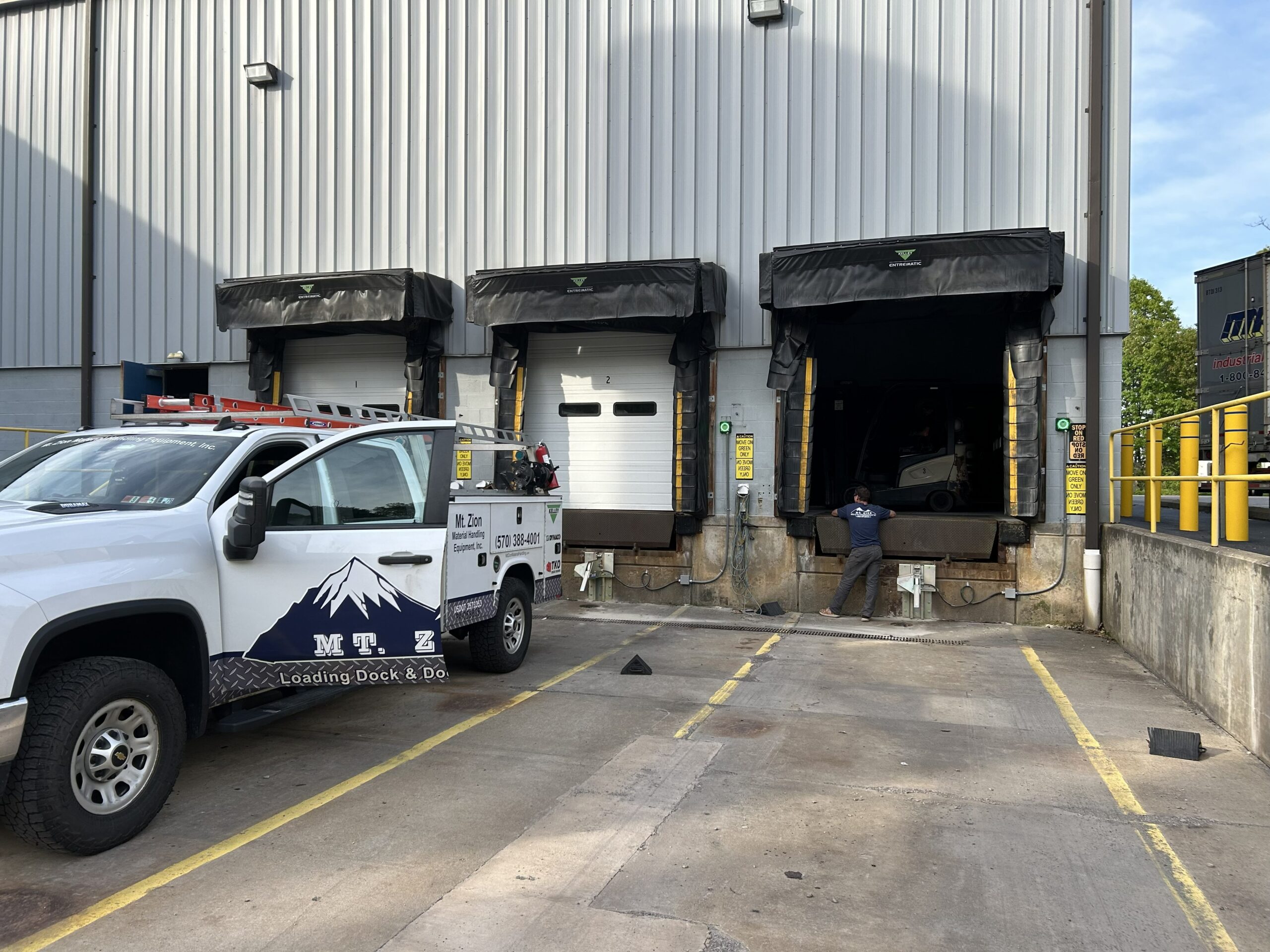
Dock levelers provide a safe, stable transition between the loading dock and trailer for forklifts, pallet jacks, and other material-handling equipment. You can install or replace hydraulic, mechanical, and other leveler configurations based on dock dimensions, load requirements, frequency of use, and the facility’s specific demands.
Loading Dock Doors
Every dock door opens a little differently. Some doors cycle throughout the day, while others need to control temperature, weather exposure, or building access. Those details matter when you add or replace a door. Size is only part of the equation—the new door also has to fit the way the dock operates and work with the leveler, seals, restraints, and other equipment already in place.
Vehicle Restraints
Keeping a trailer securely positioned at the dock is critical while forklifts and employees move between the building and trailer. You can add restraint systems to new or existing dock positions, including when replacing older equipment. Trailer configurations, the existing dock setup, and communication between drivers and dock personnel all factor into choosing the right system for the facility.
Dock Seals & Shelters
Not every trailer sits against a loading dock the same way. Differences in trailer height, width, and dock position can leave gaps that expose the loading area to weather and outside temperatures. Dock seals and shelters are chosen to fit those real-world conditions. When an existing system is worn out or no longer fits the trailers being served, replacing it can provide better coverage at the dock opening.
Dock Lifts
Differences between dock height and truck bed height can create challenges when loading or unloading materials. A dock lift provides vertical travel where a traditional leveler may not be suitable. Lift capacity, platform dimensions, available space, and required travel vary by facility, so evaluate those conditions before installing new equipment.
Loading Dock Safety Equipment
Loading docks involve several moving parts at once—trailers arriving and departing, forklifts entering trailers, and employees working around the dock opening. You can incorporate communication lights, barriers, dock lights, bumpers, and guide systems into new or existing dock positions. Which safeguards make sense will vary with the layout and how traffic moves through the loading area each day.
New Loading Dock Installation vs. Equipment Replacement
Installation needs can look very different from one facility to another. New construction and facility expansions may require planning and equipping complete dock positions from the ground up, while existing facilities may be dealing with equipment that has reached the end of its practical service life.
Replacement isn’t always necessary when a problem develops. If existing equipment remains serviceable and parts are available, commercial loading dock repair may be the more practical option. When repairs become frequent, parts are obsolete, or the equipment no longer meets the facility’s needs, replacement provides an opportunity to install a system better suited to current operations.
New Loading Dock Installations
Building a new loading dock lets facilities plan equipment around how the space will operate. Dock height, trailer types, expected traffic, load requirements, and material movement through the building can all influence the setup. Making those decisions early also helps coordinate levelers, doors, restraints, seals, and other equipment before the dock goes into service.
Replacing Existing Loading Dock Equipment
A leveler or other piece of dock equipment may have years of service behind it and several repairs already completed. That doesn’t automatically mean it needs replacing. But once parts become hard to find, or the equipment requires repeated attention, keeping it in service may offer little advantage. Replacement also gives the facility a chance to choose equipment based on what the dock handles today, which may be very different from what it handled when the original system was installed.
Loading Dock Upgrades & Modernization
A loading dock’s operation can change considerably over the life of the facility. Trailer sizes change, shipping volumes increase, and older equipment may lack the safety and control features available today. Modernization can address those changes without requiring an entirely new loading area, whether that means updating a leveler, adding vehicle restraints, improving dock communication, or replacing several aging components together.
When Is It Time to Replace Aging Loading Dock Equipment?
Older equipment can remain dependable for years when maintained and when parts are still readily available. The decision changes when keeping a piece of equipment running starts creating problems of its own. Repeat service calls, unavailable components, or changes in how the dock is used can all shift the conversation from another repair to replacement.
Frequent Repairs & Increasing Maintenance Costs
One repair isn’t usually a reason to replace a piece of dock equipment. Things change when service calls become routine, or the same components keep causing trouble. Comparing those ongoing costs with the expected life of new equipment can help determine whether another repair is worthwhile.
Structural Deterioration & Extensive Damage
A hard trailer or forklift hit can do more than leave a visible dent. Damage may extend into the frame or the points where the equipment is secured to the dock. Rust and corrosion can weaken these areas as well. If the structure itself is compromised, replacing the equipment may make more sense than trying to repair it again.
Obsolete Equipment & Limited Parts Availability
An older leveler may still work fine until it needs a part that’s no longer made. That’s when a routine service issue can become a bigger problem. If components are hard to find or the manufacturer has stopped supporting the model, replacing the equipment can save you time and money by avoiding a system with fewer options each year.
Changing Safety & Operational Requirements
A dock that worked well years ago may be handling a very different operation today. More trailer traffic, heavier loads, new equipment, or changes inside the facility can place different demands on the loading area. Replacing older equipment creates an opportunity to account for those changes instead of continuing to operate around a setup designed for an earlier workload.
Our Loading Dock Installation & Replacement Process
Before anything comes out of the dock, the existing setup needs a careful review. Measurements must be accurate, and conditions around the opening may affect what can be installed. Once the plan is settled, the work can move forward with removing old equipment where necessary, setting the new equipment in place, and checking its operation before the dock goes back into use.
Site Evaluation & Measurements
Getting the measurements right matters because existing docks aren’t always built the same way. Pit dimensions, dock height, available clearance, and the condition of the surrounding area can affect what equipment will fit. Reviewing these details before installation helps uncover issues that could become problems once work is underway.
Depending on the equipment and condition of the existing dock, the project may also require concrete work, electrical service, changes to mounting points, or other site preparation before new equipment can be installed.
Equipment Selection & Planning
Once the dock conditions are known, the equipment choices start to narrow. Capacity, dimensions, controls, power requirements, and compatibility with the rest of the dock all come into play. This is also when you can plan doors, levelers, restraints, seals, and other components together rather than treating them as separate pieces.
Removal of Existing Loading Dock Equipment
Taking out the old equipment can uncover conditions that weren’t visible beforehand. Corrosion, damaged mounting areas, worn concrete, or prior modifications may need attention before installing anything new. Finding those issues during removal gives the installation crew a chance to address the dock itself rather than simply placing new equipment over an existing problem.
Installation, Alignment & Testing
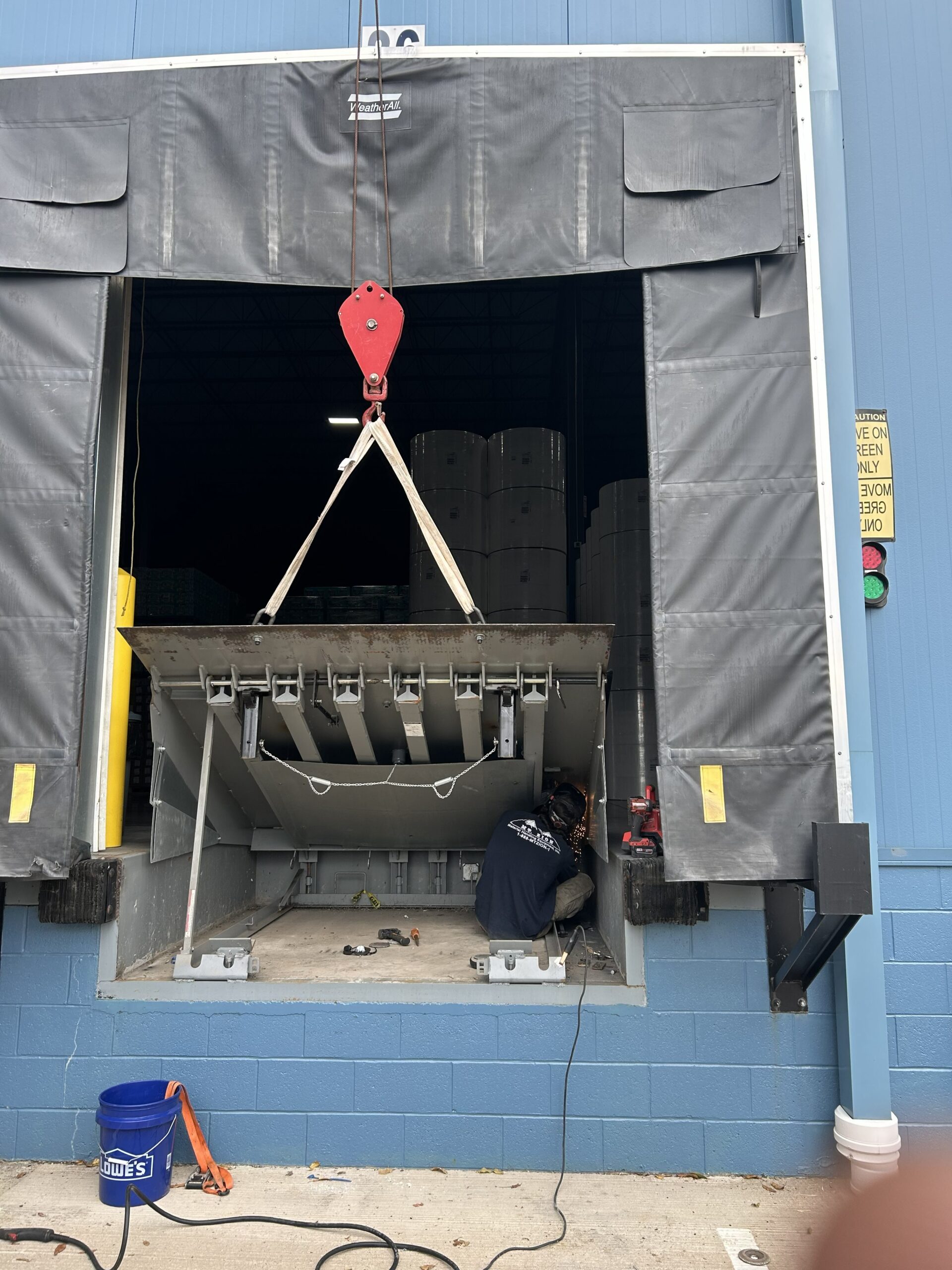
Once the new equipment is in place, work remains before the dock returns to service. Components need to move through their full range, sit correctly at the opening, and operate as intended with the surrounding equipment. Final checks can also catch adjustments that are easier to address before regular trailer traffic resumes.
Loading Dock Installation for New & Existing Facilities
Installation projects aren’t limited to brand-new buildings. New dock positions may be part of an expansion, while an existing facility may need older equipment replaced or the loading area reconfigured for a different operation. The approach depends heavily on what is already there and what the facility needs the dock to handle going forward.
New Construction
New construction provides more flexibility to coordinate loading dock equipment before the building is complete. Dock positions, pit dimensions, electrical requirements, doors, levelers, restraints, and other components can be considered alongside the rest of the project. Getting those details established early can help prevent equipment conflicts or unnecessary changes later in construction.
Facility Expansions
Expanding an existing facility may also mean adding new loading dock bays or increasing shipping and receiving capacity. New equipment must fit within the available space while working alongside the docks already in use. Trailer access, traffic flow, building conditions, and connections to existing equipment can all affect how the expanded loading area is set up.
Facility Retrofits & Loading Dock Reconfigurations
Changes inside a facility can affect what the loading dock needs. Larger trailers, different types of freight, new material-handling equipment, or increased shipping volume may require changes to the existing setup. A retrofit or reconfiguration can update the loading area around those needs without requiring an entirely new dock.
Loading Dock Brands & Manufacturers We Install
Loading dock equipment from different manufacturers often appears throughout the same facility, especially when components have been added or replaced over time. As an exclusive Kelley dealer, Mt. Zion provides Kelley loading dock equipment for new installations, replacements, and facility upgrades.
Our technicians also have experience working with equipment from many of the industry’s leading manufacturers, including Blue Giant, Rite-Hite, McGuire, Poweramp, Serco, Nordock, Pentalift, Pioneer, Bluff, DLM, and others.



Our technicians service equipment from a wide range of manufacturers, helping businesses maintain existing dock systems without being limited to a single brand.
Why Choose Mt. Zion Material Handling for Loading Dock Installation?
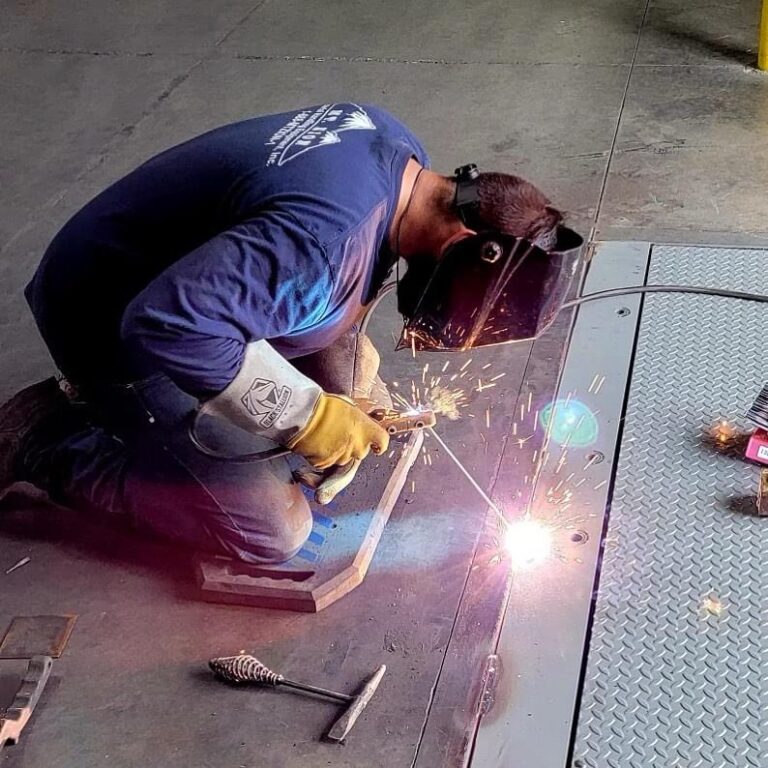
Mt. Zion’s factory-trained, in-house technicians handle loading dock installation and replacement work directly rather than passing projects off to third-party installers. Our technicians also receive ongoing manufacturer training to stay current with equipment, installation practices, and new technology.
Customers also receive a 12-month warranty on parts and labor, with service available throughout Pennsylvania, New Jersey, New York, Delaware, and Maryland.
Frequently Asked Questions About Loading Dock Installation & Replacement
These answers cover common questions about installing new loading dock equipment, replacing older systems, planning facility upgrades, and choosing equipment for new or existing loading areas.
Installation & Replacement
How do I know whether loading dock equipment should be repaired or replaced?
Replacement isn’t necessary every time loading dock equipment develops a problem. Repair may still make sense when the equipment is in good condition overall and replacement parts remain available. Frequent breakdowns, hard-to-find parts, structural damage, or equipment that no longer fits the facility’s needs can make replacement worth considering.
How long does loading dock equipment typically last before replacement?
There isn’t one replacement age that applies to every loading dock. Equipment life varies with daily use, load demands, maintenance, weather exposure, and the type of equipment installed. A well-maintained system may remain in service for many years, while equipment exposed to heavy traffic or repeated impacts may need attention sooner.
How long does loading dock equipment installation take?
Installation time varies with the equipment being installed and the condition of the existing dock. A straightforward replacement may take less time than a project involving several dock bays, structural modifications, or multiple pieces of equipment. We review the scope of work beforehand so we can plan the installation around the facility’s operations.
Can new loading dock equipment be installed in an existing facility?
Yes. New equipment can often be installed at an existing loading dock without major building changes. First, evaluate the current opening, dimensions, mounting areas, and surrounding equipment. If modifications are needed, you can identify them before installation begins and factor them into the scope of work.
Can you replace loading dock equipment without rebuilding the entire dock?
Often, yes. You can replace a leveler, restraint, door, seal, or other component while leaving much of the existing dock in place. It depends on the condition and dimensions of the opening, mounting areas, and surrounding structure. Identify any issues that could affect the new equipment before replacement work begins.
What types of loading dock equipment can Mt. Zion install and replace?
Mt. Zion installs and replaces dock levelers, loading dock doors, vehicle restraints, dock seals and shelters, dock lifts, and related safety equipment. The equipment recommended for a project depends on the dock configuration, the trailers using the facility, load requirements, and how the loading area operates day to day.
Equipment, Upgrades & Planning
Can one piece of loading dock equipment be replaced without replacing the entire system?
Yes. You can often replace individual components while the rest of the loading dock remains in service. For example, an aging leveler or restraint may need replacement even though the door, seals, and other equipment are still performing well. Check the existing setup to ensure the new component will work properly with what remains.
What should I consider when choosing new loading dock equipment?
Start with how the dock is being used. Trailers arriving at the facility, load weight, usage frequency, available space, and existing equipment all play a role. Safety needs and future operational changes are also worth considering before deciding on a specific setup.
Can older loading docks be upgraded with newer safety equipment and technology?
Yes. Older docks can often be updated with vehicle restraints, communication systems, dock lights, barriers, and other equipment without replacing everything already in place. What you can add depends on the existing dock and how it is configured, so you should evaluate the current setup before deciding which upgrades make sense.
Do you remove existing loading dock equipment during replacement?
Yes. When replacing existing equipment, you can include removing the old equipment as part of the project. Once it is removed, you can check the dock area for conditions that may need attention before installing the replacement equipment.
What information do you need to plan a loading dock installation?
Information about the existing dock, equipment being replaced, trailer types, load requirements, available dimensions, and how the loading area is used can help with initial planning. Photos, equipment model information, or details about a new construction project may also be useful before an on-site evaluation.
What loading dock equipment brands does Mt. Zion work with?
Mt. Zion is an exclusive Kelley dealer and provides Kelley loading dock equipment for new installations and replacement projects. Our technicians also have experience working with equipment from Blue Giant, Rite-Hite, McGuire, Poweramp, Serco, Nordock, Pentalift, Pioneer, Bluff, DLM, and other manufacturers.
What areas do you provide loading dock installation and replacement services in?
Mt. Zion provides loading dock installation and replacement services throughout Pennsylvania, New Jersey, New York, Delaware, and Maryland. We serve commercial and industrial facilities planning new installations, replacing existing equipment, or upgrading their loading areas.
Loading Dock Installation & Replacement Service Area
Mt. Zion provides loading dock installation and replacement services throughout Pennsylvania, New Jersey, New York, Delaware, and Maryland. Projects range from new equipment installations and facility expansions to replacements and retrofits at existing commercial and industrial facilities.
Request a Loading Dock Installation or Replacement Quote
Does your loading dock need new equipment, or is your existing setup ready for replacement? Tell us what you have. The Mt. Zion team can review the project, answer equipment questions, and discuss what’s involved before installation begins.
Please contact us online today or call (570) 388-4001 to request more information!

Got Any Questions?
Connect with our Support team
Mt. Zion techs provide reliable, quick and satisfactory support for any customer queries or issues. Our aim is to be available whenever you need us. Reach out to us for further information using the below methods:
Request a Quote
Fill out the form below and inquire for product or service quote.