Commercial Dock Seal & Shelter Repair Services
Mt. Zion Material Handling provides dock seal and shelter repair for warehouses, distribution centers, manufacturing plants and other commercial and industrial facilities throughout Pennsylvania, New Jersey, New York, Delaware and Maryland. Our in-house, factory-trained technicians service damaged dock seals and shelters with torn fabric, worn or compressed pads, damaged framing, loose hardware and poor trailer contact.
Dock seals and shelters help close the space between the trailer and loading dock opening. When they become damaged or no longer make proper contact, gaps can leave the dock exposed to outside air, rain and other weather conditions.
Focus Areas
Focus Areas
- Dock Seal & Shelter Repair
- Torn or Damaged Fabric
- Worn & Compressed Dock Pads
- Damaged Shelter Frames
- Poor Trailer Contact & Gaps
- Mounting Hardware
- Repair & Replacement
- Preventative Maintenance
Dock Seal & Shelter Repair for Commercial & Industrial Facilities
Dock seals and shelters take repeated contact from trailers, and damage can eventually affect how well they close the space around the loading dock opening.
Mt. Zion repairs dock seals and shelters for warehouses, distribution centers, manufacturing plants and other commercial facilities. Our technicians inspect the existing system, its condition and how it fits the trailers using that dock position to determine what needs attention.
For problems involving other equipment at the same position, Mt. Zion also provides commercial loading dock repair throughout the region.
Common Dock Seal & Shelter Problems We Repair
Damage to a dock seal or shelter can develop gradually from daily trailer contact or happen suddenly after an impact. Changes in trailer size can also expose areas where the existing system no longer provides the same coverage around the opening.
The type and location of the wear help determine what needs attention. A closer look at the fabric, pads, framing and mounting points can show how far the problem has progressed and what needs to be addressed.
Torn or Damaged Fabric
Trailer contact can leave dock seal and shelter fabric ripped, scuffed or pulled away from its mounting points. Small tears can grow over time, especially at busy dock positions where trailers come and go throughout the day.
Mt. Zion can inspect the affected area and determine what is needed to restore it to good condition.
Crushed or Compressed Dock Seal Pads
Dock seal pads can lose their shape after years of trailers backing into the same opening. You may notice areas that stay flattened after the trailer pulls away or one side of the seal sitting differently than the other.
Uneven pads can change how the seal meets the next trailer that backs into the dock.
Damaged Dock Shelter Frames & Curtains
Dock shelter frames and curtains can take a hit when trailers back in off-center or make harder-than-expected contact. Damage may show up as bent framing, loose sections or curtains that no longer hang correctly around the trailer.
These issues can affect how the shelter sits against different trailers using the dock.
Gaps Around the Trailer
Visible gaps around a parked trailer indicate the seal or shelter is no longer making consistent contact. The opening may look tight in one area while daylight is visible along the sides or across the top.
This can become more noticeable when a dock handles trailers with different heights or body dimensions.
Loose or Damaged Mounting Hardware
Repeated trailer contact can loosen the hardware holding a dock seal or shelter in place. Sections may begin to shift, pull away from the wall or sit unevenly around the opening.
Address loose mounting points before continued movement puts additional strain on the surrounding material or frame.
Water, Weather & Outside Air Getting Through
Gaps around the trailer can allow more than outside air into the building. Water, windblown debris and pests may also get through areas where the seal or shelter is no longer providing proper coverage. Facility staff may notice drafts, moisture near the dock opening or daylight where there was previously a tighter fit.
Finding where that opening has developed is the first step toward correcting the problem.
Trailer & Impact Damage
A trailer that backs in too hard or approaches the opening at an angle can damage more than the face of the seal or shelter. Pads may shift; framing can get knocked out of position and mounting points can take part of the impact.
After a harder hit, check the surrounding area even if the damage initially appears minor. If an impact also affects other equipment at the dock position or leaves the area unusable, Mt. Zion provides 24/7 emergency loading dock repair.
Dock Seal Repair
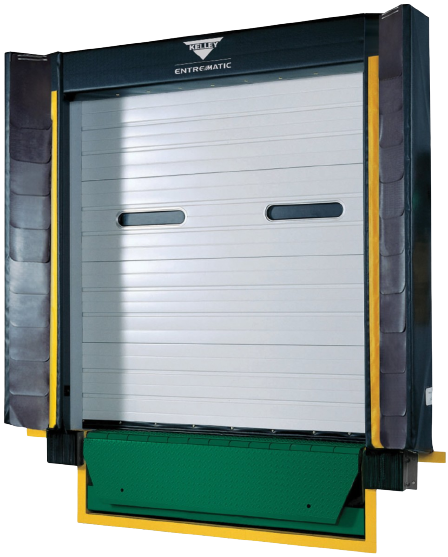
Dock seals use foam pads around the opening to create a close fit against the trailer. Over time, those pads can flatten, shift or take damage from repeated contact.
Mt. Zion repairs dock seals and can address worn fabric, deteriorated pads and other problems affecting how the seal meets the trailer at the dock.
Dock Shelter Repair
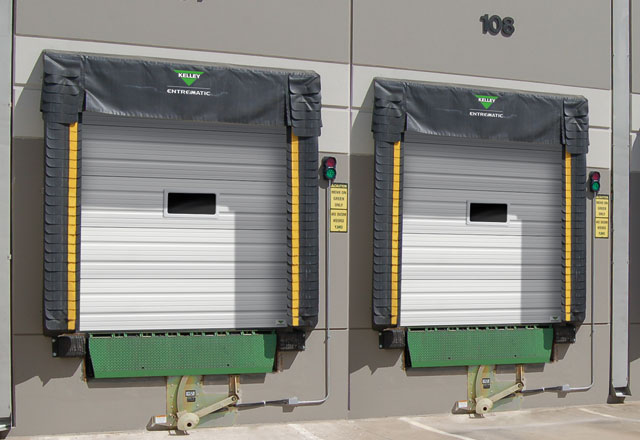
Dock shelters use flexible curtains and framing around the opening rather than compressing against the trailer like a foam dock seal. This gives the shelter room to work with a wider range of trailer sizes.
Curtains can tear or wear, and framing may shift after repeated contact. Mt. Zion can inspect the shelter and repair damaged sections that keep it from sitting properly around the trailer. Inflatable dock shelters can develop different problems, including worn or damaged inflatable sections that no longer provide proper coverage around the trailer.
What Is the Difference Between a Dock Seal and a Dock Shelter?
A dock seal typically uses foam pads that compress against the sides and top of a trailer when it backs into position. A dock shelter uses curtains that extend around the trailer instead, allowing more flexibility for facilities that receive different trailer sizes.
Both are designed to cover the space around a trailer at the loading dock, but they do it differently. The right setup depends in part on the dock opening and the types of trailers the facility handles.
Why Is There a Gap Between the Trailer and Dock Seal or Shelter?
A gap can develop when the seal or shelter no longer matches the trailer’s position at the opening. Worn pads, shifted curtains or changes in the trailers using that dock can all affect the fit.
Where the gap appears can provide a useful clue. Daylight along one side, across the top or around only certain trailers may point to different issues with the existing setup.
Dock Seal & Shelter Repair vs. Replacement
Not every damaged seal or shelter needs to be replaced. A torn cover, loose hardware or damage limited to one area may be something that can be repaired while the rest of the system remains in good condition.
Replacement becomes worth considering when deterioration is widespread, the frame or pads are beyond practical repair, or the existing setup no longer fits the trailers using that dock.
For facilities that need a new system, Mt. Zion also provides loading dock installation and replacement services.
Dock Seals & Shelters for Cold Storage and Temperature-Controlled Facilities
Gaps around a trailer can be especially noticeable at docks where the facility is trying to maintain a controlled indoor temperature. Worn pads, torn curtains or poor coverage around the opening can allow conditioned air to escape while outside air enters the building.
Keeping the seal or shelter in good condition helps maintain better coverage around the trailer during loading and unloading.
Preventative Maintenance for Dock Seals & Shelters
Regular inspections can catch wear before a seal or shelter reaches the point where coverage around the trailer is noticeably affected. Fabric condition, foam compression, mounting hardware and shelter framing are all worth checking as the system ages.
Dock seals and shelters can also be included as part of Mt. Zion’s broader preventative loading dock maintenance program.
Dock Seal & Shelter Brands We Service
Mt. Zion services dock seals and shelters from Kelley and a range of other manufacturers found throughout commercial loading docks. As an exclusive Kelley dealer, our technicians have direct experience with Kelley loading dock equipment while also servicing systems from Blue Giant, Rite-Hite, McGuire, Poweramp, Serco, Nordock, Pentalift, Pioneer, Bluff and DLM.
Why Choose Mt. Zion for Dock Seal & Shelter Repair?
Mt. Zion’s in-house, factory-trained technicians handle service rather than outsourced crews. Their experience with loading dock equipment helps when damage to a seal or shelter involves the surrounding dock opening or other components at the same position.
We have served commercial and industrial facilities for more than 20 years and are an exclusive Kelley dealer. Repairs are backed by a 12-month warranty on parts and labor.
Dock Seal & Shelter Repair FAQs
Below are answers to common questions about dock seal and shelter damage, repairs, inspections and replacement.
Can a Torn Dock Seal Be Repaired?
Yes. A tear doesn’t always mean the whole dock seal is finished. If the damage is limited to the cover and the rest of the seal is holding up well, repairing the affected area may be enough.
Larger tears or badly worn material may require more extensive work. The foam behind the cover also matters when deciding what makes sense.
Can Crushed Dock Seal Foam Be Repaired or Replaced?
It depends on the foam’s condition. Damage limited to one area may not require replacing the entire dock seal. Foam that remains badly compressed or has lost its shape may need to be replaced.
Mt. Zion can inspect the pad and determine how much of the seal needs attention.
What Causes Dock Seals and Shelters to Wear Out?
Daily trailer contact is one of the biggest contributors to wear. Over time, fabric can rub through, foam can lose its shape and shelter components can shift from repeated use.
Hard impacts, trailers backing in off-center and exposure to weather can also shorten the life of a seal or shelter.
How Often Should Dock Seals and Shelters Be Inspected?
No single schedule fits every loading dock. A busy position that handles trailers throughout the day will usually show wear sooner than one that sees lighter use.
Facility staff can watch for torn fabric, flattened pads, loose hardware or changes in how the seal or shelter meets the trailer. Regular inspections can catch these issues before the damage becomes more extensive.
What Does a Technician Check During a Dock Seal or Shelter Inspection?
The inspection typically includes the condition of the fabric, foam pads, framing and mounting points. The technician can also check how the seal or shelter meets the trailers in that dock position and look for gaps or areas that have shifted out of place.
When Should a Dock Seal or Shelter Be Replaced?
Replacement may make more sense when damage extends beyond one repairable area. Severely compressed foam, widespread fabric wear or a shelter frame that has taken significant damage are examples.
It may also be time to consider replacement when the existing seal or shelter no longer fits the range of trailers regularly using that dock position.
Do You Repair Dock Seals and Shelters Throughout PA, NJ, NY, DE and MD?
Yes. Mt. Zion provides dock seal and shelter repair for commercial and industrial facilities throughout Pennsylvania, New Jersey, New York, Delaware and Maryland.
Service is available for both scheduled repairs and problems discovered during routine loading dock inspections.
Request Dock Seal & Shelter Repair Service
Having trouble with a dock seal or shelter? Contact Mt. Zion Material Handling to schedule repair service or discuss the damage you’re seeing at your facility.
When reaching out, let us know which dock position is affected and whether the problem occurs with every trailer or only certain trailer sizes. Photos of the damaged area can also give our team useful information before the service visit.
Call (570) 388-4001 or request service online to schedule dock seal and shelter repair service.

Got Any Questions?
Connect with our Support team
Mt. Zion techs provide reliable, quick and satisfactory support for any customer queries or issues. Our aim is to be available whenever you need us. Reach out to us for further information using the below methods:
Request a Quote
Fill out the form below and inquire for product or service quote.