
Commercial Overhead Door
Repair Services
Mt. Zion Material Handling repairs commercial overhead doors at warehouses, distribution centers, manufacturing plants and other commercial and industrial facilities throughout Pennsylvania, New Jersey, New York, Delaware and Maryland.
Broken torsion springs, damaged lift cables, worn rollers and bent tracks can leave a sectional overhead door stuck, crooked or unable to open. Forklift impacts can damage individual panels, while operator problems may prevent the door from completing its normal travel.
Our in-house, factory-trained technicians repair sectional overhead doors used at loading docks, warehouse entrances, shipping and receiving areas and other busy commercial openings.
Focus Areas
Focus Areas
- Commercial Overhead Door Repair
- Doors That Won’t Open or Close
- Broken Springs & Counterbalance Systems
- Frayed or Broken Lift Cables
- Off-Track Doors, Rollers & Hinges
- Bent Tracks & Damaged Panels
- Commercial Door Operators & Controls
- Forklift & Impact Damage
Commercial & Industrial Overhead Door Repair
One damaged section can throw off the way an overhead door operates. It might start dragging along the track, hang crooked, or stop before reaching the floor. The door may still move, but that doesn’t mean it’s working properly.
Mt. Zion repairs commercial sectional doors with mechanical damage, operating problems and worn components. We also supply and service other commercial overhead doors for facilities that need new equipment or are considering replacement.
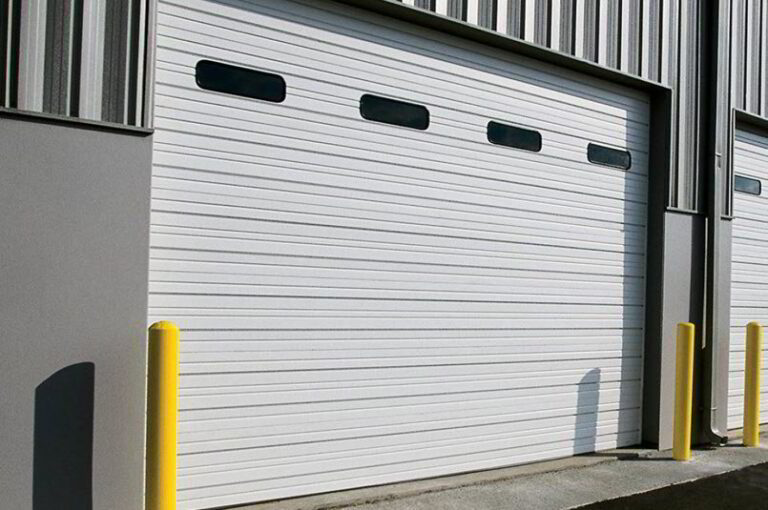
Common Commercial Overhead Door Problems We Repair
Trouble with a commercial overhead door isn’t always a complete breakdown. It may still open but struggle on the way down, make noises that weren’t there before or sit unevenly when closed. Other issues are more obvious, especially when a spring breaks, a cable comes loose or a forklift strikes one of the panels.
The sections below cover the mechanical and operating problems our technicians regularly encounter during commercial overhead door repairs.
Commercial Overhead Door Won’t Open or Close
Pressing the wall button doesn’t always get a response. You might hear the motor running without the door moving, or find that it stops halfway through opening. The same door could have worked fine earlier in the shift.
What happens when the operator is activated gives the technician a place to start looking. The issue isn’t necessarily with the motor itself.
Broken Torsion Springs & Counterbalance Problems
One side of the door may start lifting before the other, leaving the panels crooked in the opening. A cable can also slip off its drum, become frayed or break completely.
The door shouldn’t be operated with a loose or damaged lift cable. The cables, drums and related hardware need to be inspected to determine what requires repair.
Frayed, Loose or Broken Lift Cables
Many high-speed doors use breakaway or self-repairing features designed to limit damage when the curtain is struck. If the door doesn’t return to normal operation afterward, the guides, bottom bar, sensors or reset system may need attention before the opening can be put back into service.
Sectional Overhead Door Off Track
The door may hang at an angle, jam partway through opening or leave a gap along one side when closed. A roller that’s slipped out of the track is one possible cause. Bent track sections or damaged hinges can also affect how the panels travel.
Continuing to operate an off-track door can cause further damage. Keep it out of service until the track, rollers and door sections have been inspected.
Worn Rollers, Hinges & Damaged Tracks
One bad roller can cause trouble every time a sectional door opens. The panels may catch as they round the curved section of track, especially if a hinge has loosened or the track has been knocked out of alignment.
Bent or Damaged Sectional Door Panels
A damaged panel can leave a sectional door sitting crooked in the opening. The trouble isn’t always limited to the dent itself. Hinges and adjoining sections may have been affected by the same impact.
Replacing one panel may be an option without changing the entire door. Matching the existing sections matters, though, especially on older commercial doors where the original panels may be difficult to find.
Commercial Door Operator & Motor Failures
You might hear the motor humming without seeing much movement, or find that the wall control works only part of the time. The operator starts lifting, then cuts out before the door reaches the top.
Not every issue comes down to a bad motor. The drive, limit settings and electrical controls also need to be considered before deciding what to repair.
Forklift & Impact Damage to Overhead Doors
Someone backs a forklift into the bottom section, and now the door won’t close flush against the floor. In other cases, a raised load catches the track or hardware along the opening’s side.
The damage isn’t always limited to the spot that took the hit. Hinges, rollers and adjoining sections may have shifted, even if the door can still open and close.
Commercial Overhead Door Springs, Cables & Counterbalance Systems
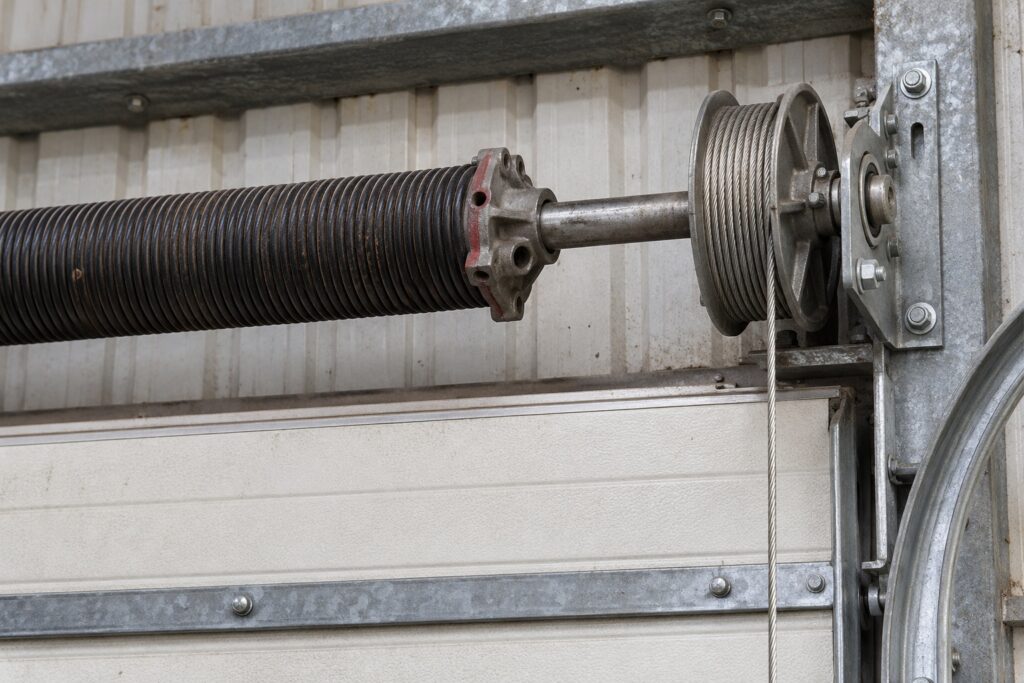
You can have a perfectly good motor and still end up with a door that barely lifts. We’ve seen how a broken spring can stop a door altogether, but the trouble isn’t always that obvious. Cables can wind unevenly on the drums, and the door may start pulling harder on one side than the other.
The torsion shaft, springs and cable drums work together to balance the weight of the door. If something is out of adjustment, replacing the operator won’t solve the underlying issue. These are high-tension components that require proper tools and trained technicians to service.
Commercial Door Operators, Controls & Safety Devices
Not every overhead door uses the same operator or controls. One warehouse may have a wall-mounted push-button station, while another uses pull cords, remotes or other activation devices to manage traffic through the opening.
The safety equipment deserves attention too. Photo eyes, sensing edges and limit settings can affect whether the door closes, reverses or stops where it should. A door that responds to one control but ignores another may have an issue outside the motor itself.
When Should a Commercial Overhead Door Be Taken Out of Service?
A door hanging crooked in the opening is reason enough to stop using it. The same goes for a cable that’s come off its drum or a section that’s slipped out of the track. Forcing the door open or closed can put extra strain on parts that may already be damaged.
Safety device problems are another concern. If the door won’t stop or reverse when it should, keep it out of operation until a qualified technician has inspected the system.
What Does a Technician Check During an Overhead Door Repair?
Before working on the door, the technician needs to know whether it failed suddenly or had been giving the facility trouble for a while. A door that was struck by a forklift presents a different situation from one that gradually became harder to operate.
The inspection isn’t limited to the motor or wall controls. The technician checks how the sections sit in the tracks, whether the door is balanced and what happens when the operator is activated. Any damaged or loose hardware also needs to be accounted for.
Emergency Commercial Overhead Door Repair
An overhead door stuck open overnight can leave a warehouse exposed to weather and unauthorized entry. If it won’t open at all, trucks may be unable to reach a loading position, or employees may have to reroute deliveries through another entrance.
Mt. Zion provides 24/7 emergency service for commercial overhead door failures that can’t wait for a scheduled appointment. A damaged door should remain out of service until it’s safe to operate.
For overhead doors at loading dock positions, we also provide loading dock door repair services.
Commercial Overhead Door Repair vs. Replacement
We’ve seen commercial doors that needed one repair and others where replacing the whole system made more sense. Age alone doesn’t settle that question. Some older doors are still in good shape, with parts available when something needs fixing.
Others have been hit, patched and repaired several times. At some point, the question becomes whether another repair is worth the expense or whether a new door would better serve the facility.
Preventative Maintenance for Commercial Overhead Doors
Door balance can change without anyone noticing it during the workday. Cables may start winding differently, or hardware may loosen after years of opening and closing.
Our maintenance visits include checking the door’s mechanical components and documenting anything that needs attention. The facility receives an inspection report identifying items that may require adjustment, repair or replacement.
Commercial Overhead Door Brands We Service
Mt. Zion services commercial sectional overhead doors from a range of manufacturers. Our technicians work on doors with damaged panels, broken springs, worn hardware and operator problems.
Overhead Door • Hörmann • Cornell • Clopay • Wayne Dalton • C.H.I. • Raynor
Don’t see your door manufacturer listed? Contact us with the brand and model number so we can confirm repair options and parts availability.
Why Choose Mt. Zion for Commercial Overhead Door Repair?
Mt. Zion’s in-house technicians handle commercial overhead door repairs, not subcontractors. Our team is factory-trained and continues to receive manufacturer training on the equipment they service.
Our service trucks carry replacement parts for common commercial overhead door repairs, giving technicians access to frequently needed components during service calls.
With more than 20 years working in commercial and industrial facilities, we’ve handled everything from routine service calls to more involved mechanical repairs. All repairs include a 12-month warranty on parts and labor.
Service territory includes commercial and industrial facilities in the Hazleton area, the Lehigh Valley and surrounding communities. That includes warehouse and distribution operations around Humboldt Industrial Park, where sectional overhead doors are used for shipping, receiving and facility access.
Commercial Overhead Door Repair FAQs
Questions about broken springs, damaged panels, operator failures and repair costs often come up when a commercial overhead door stops working. Here are answers to some of the issues facility managers encounter.
Why Won’t My Commercial Overhead Door Open or Close?
A broken spring, damaged lift cable or problem with the operator can keep a commercial overhead door from opening or closing. The door may have power but still refuse to move, or it might stop before reaching the top or bottom.
The cause isn’t always electrical. A mechanical issue can prevent the door from moving even when the motor is working.
Can a Commercial Overhead Door with a Broken Spring Be Repaired?
Yes. A broken torsion spring can usually be replaced without replacing the entire overhead door. The new spring must be properly matched to the door’s weight and counterbalance system.
Spring replacement involves high-tension components and should be handled by a trained commercial door technician.
What Causes a Sectional Overhead Door to Come Off Track?
A damaged roller, loose hinge or bent track can cause a sectional overhead door to come off track. Forklift impacts and uneven cable tension can also pull the door out of alignment.
An off-track door should remain out of service until the damaged components are inspected and repaired. Forcing it to open or close can cause further damage.
Can a Damaged Sectional Overhead Door Panel Be Replaced?
Yes. Individual panels can often be replaced without installing an entirely new overhead door. The replacement section needs to match the existing door in size, design and compatibility with its hardware.
Older commercial doors can be more difficult to repair if the manufacturer has discontinued the original panels or matching replacements are no longer available.
Why Does My Commercial Overhead Door Stop Halfway?
A door that stops halfway may have trouble with its limit settings, operator or safety devices. Worn rollers, damaged tracks or an unbalanced counterbalance system can also prevent it from completing its travel.
Where the door stops and whether it happens during opening, closing or both can help narrow down the cause.
Can a Commercial Overhead Door Operator Be Repaired?
Yes. Many commercial overhead door operators can be repaired without replacing the entire unit. Problems with limit switches, electrical controls, wiring or drive components may only require attention to the affected parts.
If the motor has failed or replacement components are no longer available, installing a new operator may be the better option.
How Often Should Commercial Overhead Doors Be Inspected?
Inspection frequency depends on how often the door is used, its condition and the manufacturer’s maintenance recommendations. Doors at busy shipping and receiving areas may require more frequent attention than those used occasionally.
Regular inspections should include the springs, lift cables, rollers, tracks, hinges and safety devices. Any unusual movement, noise or visible damage should be addressed rather than waiting for the next scheduled inspection.
Request Commercial Overhead Door Repair Service
A commercial overhead door that’s stuck, damaged or no longer operating properly can disrupt shipping, receiving and daily warehouse operations. Contact Mt. Zion Material Handling to schedule repair service.
Our in-house technicians repair commercial sectional overhead doors throughout Pennsylvania, New Jersey, New York, Delaware and Maryland.
Call (570) 388-4001 or request service online to schedule high-speed door repair service.

Got Any Questions?
Connect with our Support team
Mt. Zion techs provide reliable, quick and satisfactory support for any customer queries or issues. Our aim is to be available whenever you need us. Reach out to us for further information using the below methods:
Request a Quote
Fill out the form below and inquire for product or service quote.